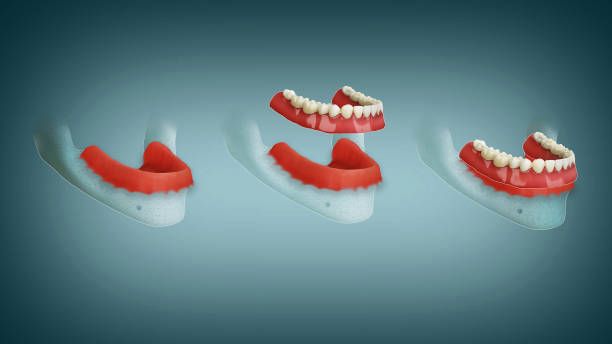
Losing all of your teeth can affect much more than your appearance. Everyday activities like eating your favorite foods, speaking clearly, and smiling with confidence can become challenging. While tooth loss is a common concern, it doesn't mean you have to compromise your quality of life. Modern tooth replacement options have made it possible to restore both function and aesthetics, allowing patients to enjoy a comfortable and natural-looking smile once again.
One of the most trusted solutions for complete tooth loss is full dentures. Today's dentures are designed to fit more comfortably, look more natural, and provide better functionality than ever before. However, they may not be the ideal solution for everyone. Understanding how full dentures work, their benefits, and their limitations can help you decide whether they are the right option for your long-term oral health.
What Are Full Dentures and Who Needs Them?
Full dentures are removable dental appliances designed to replace an entire upper arch, lower arch, or both when all natural teeth are missing. They are custom-made to fit comfortably over your gums while restoring your smile, speech, and ability to chew.
A skilled dentist in Everett will carefully evaluate your oral health, jawbone condition, and overall treatment goals before recommending full dentures. During your consultation, your dentist will also assess your gum tissue and discuss whether conventional or implant-supported dentures may better suit your needs.
Full dentures are often recommended for patients who have lost all of their natural teeth due to severe decay, advanced gum disease, trauma, or other oral health conditions.
What Are the Benefits of Full Dentures?
Modern dentures provide several important advantages for patients experiencing complete tooth loss.
Improved Appearance
Custom-designed dentures restore facial support and create a natural-looking smile by replacing missing teeth and helping maintain proper facial contours.
Better Speech
Replacing missing teeth often improves pronunciation and makes everyday conversations easier and more comfortable.
Restored Chewing Function
Patients choosing full dentures in Everett can enjoy a wider variety of foods compared to living without teeth, although some adjustments may still be necessary during the initial adaptation period.
Affordable Tooth Replacement
Compared to some other full-mouth restoration options, traditional dentures are often a more cost-effective solution while still delivering significant improvements in function and appearance.
What Are the Limitations of Full Dentures?
Although dentures offer many benefits, they also have certain limitations that patients should understand before making a decision.
A skilled dentist in Everett will explain that removable dentures may require an adjustment period as your mouth adapts. Some patients experience minor soreness initially, while others may need periodic adjustments to maintain a comfortable fit.
Over time, natural bone loss in the jaw can change the shape of the gums, causing dentures to become loose. In these cases, relining or replacing the dentures may be necessary to restore stability and comfort.
Patients should also understand that dentures require daily cleaning and proper maintenance to support long-term oral health.
How Can You Adjust to Wearing Full Dentures?
Most patients become comfortable with dentures after a short adjustment period.
If you receive full dentures in Everett, your dentist may recommend:
Eating soft foods during the first few weeks
Cutting food into smaller pieces
Chewing evenly on both sides of the mouth
Practicing speaking aloud to improve pronunciation
Cleaning dentures daily using approved products
Removing dentures overnight unless otherwise instructed
Following these recommendations helps improve comfort and allows your mouth to adapt more quickly.
Are Full Dentures Your Only Option?
While traditional dentures remain an excellent solution for many patients, they are not the only option available. Implant-supported dentures offer greater stability by attaching securely to dental implants placed in the jawbone. These restorations reduce movement during eating and speaking while helping preserve jawbone density.
Your dentist will discuss all available treatment options, considering factors such as your oral health, lifestyle, budget, and personal preferences. A personalized treatment plan ensures you receive the solution that ideally supports your long-term comfort and confidence.
Conclusion
Full dentures continue to be a reliable and effective solution for replacing all missing teeth. They can restore your smile, improve speech, enhance chewing ability, and boost self-confidence while providing a natural-looking appearance. By understanding both the benefits and limitations of dentures and working closely with your dental provider, you can choose the treatment option that right fits your needs and enjoy improved oral function and quality of life for many years to come.